English

Views: 138 Author: Site Editor Publish Time: 2026-08-07 Origin: Site
Building a sterile facility brings immense pressure to project managers. Downtime costs escalate rapidly during extended construction projects. Strict compliance standards demand absolute perfection from day one. You face constant contamination risks during the vulnerable build phase. Legacy stick-built construction relies heavily on standard drywall. These outdated methods use metal studs and liquid epoxy paint. They generate massive dust plumes. They require extended on-site labor hours. Modern modular approaches offer a vastly superior alternative. Transitioning to modular panels represents a highly strategic operational decision. You will discover how these systems improve facility scalability immediately. We will explore how they ensure strict compliance predictability. You will also learn how they drive profound long-term financial value. Carefully selected components eliminate unpredictable field variables completely. This guide breaks down the essential benefits of modular design.
Speed to Market: Prefabricated cleanroom wall panel systems typically compress construction schedules by 20% to 40% compared to traditional builds.
Operational Continuity: Pre-engineered panels drastically reduce on-site dust, debris, and disruption, protecting ongoing facility operations.
Future-Proofing: Non-progressive panel designs allow for seamless reconfiguration, expansion, or relocation without total demolition.
Financial Advantage: Modular panels are often classified as capital equipment rather than permanent structural additions, enabling accelerated depreciation schedules (consult local tax regulations).
Stick-built construction introduces severe inherent risks. Standard drywall consists mostly of compressed gypsum. Gypsum sheds microscopic particles constantly upon impact. Controlled environments cannot tolerate this continuous particulate shedding. Moisture absorption presents another massive structural risk. Traditional walls soak up ambient humidity quickly. This breeds hidden mold behind your sterile envelope. Epoxy finishes seem highly protective initially. However, field application causes inconsistent thickness across surfaces. Bubbles form easily in uncontrolled ambient temperatures. Flaking occurs naturally over time. These microscopic flakes compromise your sensitive manufacturing processes.
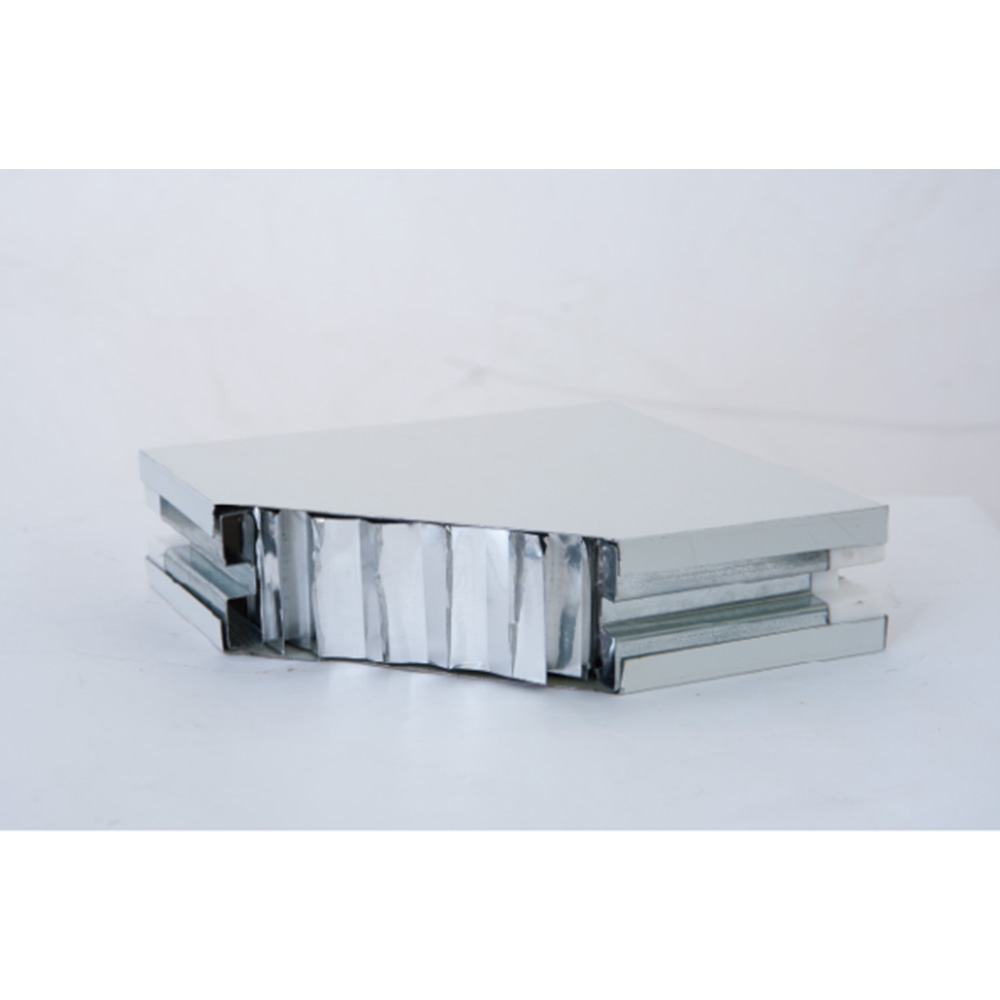
You need a structurally sound alternative. A modular Cleanroom Wall Panel functions as a closed unit. It arrives fully prefabricated from a dedicated factory. Manufacturers integrate rigid structural core materials seamlessly. They bond durable non-porous facings under immense pressure. This creates a solid, unified architectural element.
Shifting construction off-site mitigates tremendous risk. Factory floors provide heavily controlled manufacturing environments. You remove weather dependencies entirely. You eliminate unpredictable on-site labor variables. Components arrive pre-certified for immediate installation. They bypass the messy fabrication stage completely. This protects your existing product lines from rogue contamination.
Common Mistakes in Traditional Builds:
Applying epoxy paint over improperly cured joint compound.
Failing to seal base tracks against moisture intrusion.
Using standard fiberglass insulation prone to shedding.
Concurrent processes compress project schedules significantly. You can prepare your facility floor simultaneously. Contractors pour concrete seamlessly. They run underground utilities smoothly. Meanwhile, the factory manufactures your custom panels. This powerful overlap shrinks project timelines rapidly. Traditional builds require a strict linear sequence. You cannot paint drywall until the joint compound dries. Modular systems eliminate these sequential bottlenecks completely. Your facility comes online weeks earlier.
On-site cutting drops to near zero. Sanding and painting disappear from your facility. This allows existing industrial operations to continue safely. You avoid erecting massive temporary isolation barriers. Dust containment becomes a minor administrative detail. Your facility remains highly operational during the upgrade. Installers assemble the panels using clean mechanical fasteners. They do not mix wet materials nearby.
Faster installation demands rigorous upfront engineering. Precise site measurements remain strictly required. You must account for floor unlevelness early. Factory precision cannot fix field measurement errors later. Proper planning prevents alignment issues upon delivery. Your engineering team must verify every single dimension. Laser scanning provides the best dimensional accuracy.
Installation Best Practices:
Conduct a comprehensive 3D laser scan of the host facility.
Verify overhead clearance for unhindered panel maneuvering.
Establish a dedicated staging area for arriving materials.
Distinguishing between panel connection types matters greatly. Progressive systems interlock sequentially along the wall line. You must remove multiple panels to access one. Non-progressive systems operate very differently. They allow rapid single-panel removal. You can extract one section seamlessly. Adjacent panels remain completely undisturbed. This limits downtime during emergency utility repairs. Maintenance teams love non-progressive designs.
Facilities evolve constantly. Production demands shift rapidly every year. You might introduce heavy pharmaceutical machinery later. Unexpected layout changes happen often. Traditional walls require destructive demolition. You must smash drywall to widen access doors. A modular Cleanroom Wall Panel accommodates these shifts effortlessly. You simply demount a single section. Move the large equipment inside. Reinstall the panel in mere hours.
Capital investments require long-term protection. Businesses outgrow their initial operational footprints frequently. You can uninstall the entire modular enclosure safely. You can pack it flat for transport. Move it to a completely new facility. Reassemble the structure quickly. This preserves your initial structural investment perfectly. Drywall goes straight to the local landfill.
Factory-controlled lamination guarantees exact engineering tolerances. Field-applied finishes suffer from constant human error. Paint rollers leave microscopic texture behind. Spray applications miss hidden internal corners. Automated manufacturing eliminates these inconsistencies. Heavy presses apply uniform bonding pressure. Adhesives cure under strictly monitored temperatures. The resulting surface remains flawlessly smooth. It easily meets ISO 14644-1 particle standards.
Contamination control relies heavily on internal geometry. Flush surfaces prevent hidden microbial growth. Seamless integrations stop dangerous particle retention. Installers use radius coving extensively. This eliminates sharp ninety-degree internal corners. Non-porous facings resist harsh cleaning chemicals effectively. Sterilization agents wipe away cleanly. Bacteria find no microscopic crevices to hide inside. Routine washdowns become highly efficient.
Modern systems accept utility raceways easily. They handle complex HVAC returns perfectly. You can add sensitive monitoring equipment safely. Pre-engineered cutouts accommodate power outlets precisely. The sterile envelope remains completely uncompromised. Installers seal penetrations using specialized rubber gaskets. Air leakage drops to absolute zero. Critical pressure cascades remain perfectly stable.
Feature | Traditional Stick-Built Walls | Modular Cleanroom Panels |
|---|---|---|
Surface Consistency | Variable; depends on painter skill | Factory-perfect; machine-pressed |
Particulate Generation | High (during cutting and sanding) | Near Zero (pre-finished) |
Moisture Resistance | Low; drywall absorbs humidity | High; sealed edges and non-porous faces |
Modification Speed | Slow; requires dirty demolition | Fast; unbolt and remove |
Material costs appear slightly higher initially. A prefabricated panel costs more than raw gypsum boards. However, reduced field labor creates upfront cost parity. You save heavily on specialized on-site contractors. Electricians spend significantly less time wiring. Painters become completely unnecessary. Framing crews finish their demanding work in days. Your facility starts generating revenue much sooner.
Maintenance presents a remarkably clear financial contrast. Replacing a damaged Cleanroom Wall Panel costs very little. You unbolt the damaged unit swiftly. You slide a new one directly into place. Patching traditional drywall requires massive effort. You must build a temporary sterile containment tent. Sanding creates toxic particulate clouds. Repainting requires lengthy off-gassing periods. The resulting production downtime alone costs thousands.
Tax classification offers another massive financial advantage. Modular systems classify as tangible personal property often. The IRS views them as depreciable capital equipment. They do not count as permanent structural building improvements. This often enables rapid MACRS depreciation schedules. You can write off the entire investment faster. This accelerates your return on investment. (Specific tax benefits depend on jurisdiction. Consult your corporate tax structures always).
Core and facing material selection dictates ultimate performance. You must match the material to the process.
Aluminum honeycomb cores pair wonderfully with aluminum facing. They represent the best choice for delicate microelectronics. They are extremely lightweight. They suit highly stringent environments perfectly. They shed strictly zero particles. They outgas zero volatile organic compounds.
Steel facing pairs excellently with insulated cores. Options include EPS, PUR, and PIR structural foams. These are ideal for strict thermal control. They provide excellent structural rigidity. General manufacturing prefers this durable build. Packaging rooms use them frequently. They offer excellent fire resistance ratings too.
FRP (Fiberglass Reinforced Plastic) or UPVC facings offer unique benefits. They provide exceptionally high chemical resistance. Pharmaceutical environments need them desperately. Washdown-heavy facilities rely heavily on these facings. They withstand daily aggressive bleach sanitization easily. They resist harsh vaporized hydrogen peroxide treatments.
Assessing manufacturer capabilities prevents costly project delays. Look for dedicated in-house engineering teams. Request comprehensive BIM modeling capabilities. Demand complete transparency regarding production lead times. A reliable vendor provides incredibly detailed shop drawings.
Shortlisting Logic:
Procurement teams should follow these three critical steps:
Define your ISO class: Map your strict cleanliness requirements first.
Map utility integration: Locate all required electrical and gas penetrations.
Select facing materials: Choose surfaces based on your daily cleaning protocols.
A modular wall system remains a highly dynamic asset. It is never just a static building material. It evolves alongside your complex operational demands. Careful material selection unlocks true installation speed. Upfront engineering secures long-term structural flexibility. Modular design thrives on meticulous early planning. Procurement leaders must look beyond raw material prices. You must evaluate the operational agility gained. A properly specified Cleanroom Wall Panel protects your critical processes flawlessly. It simplifies routine maintenance. It guarantees strict regulatory compliance. Consult an experienced cleanroom design engineer today. Evaluate your specific facility footprint carefully. Request a comprehensive financial analysis. Transition to modular construction confidently.
A: Systems vary significantly. Freestanding modular systems often feature internal structural columns. These robust columns support walkable ceilings and integrated fan filter units. Non-load-bearing partitions merely divide existing spaces. Always specify your exact load requirements during the initial engineering phase.
A: Manufacturers integrate hollow utility raceways directly into the panel core. Factories pre-cut perfectly sized penetrations for outlets and switches. Installers drop wiring from the ceiling plenum straight down through the panel interior easily.
A: Yes. Installers frequently construct flexible hybrid builds. They use specialized aluminum transition channels. These channels seamlessly tie a modular panel into an existing block or drywall structure. This accommodates facility expansions easily.
A: Timelines range widely based on complexity. Standard designs often ship in four to six weeks. Highly customized panels require eight to twelve weeks. Engineering approvals and raw material supply chains impact these manufacturing schedules heavily.