English

Views: 0 Author: Site Editor Publish Time: 2026-09-09 Origin: Site
Cleanroom design requires strict material selection to control contamination and secure facility certification. You cannot risk structural failure or particulate shedding in these environments. Originally developed for aerospace and marine applications, the honeycomb core delivers an extreme strength-to-weight ratio and high energy absorption. Facility engineers face a specific architectural challenge. They must source materials that provide high load-bearing capacity and structural rigidity without introducing excessive weight or outgassing risks.
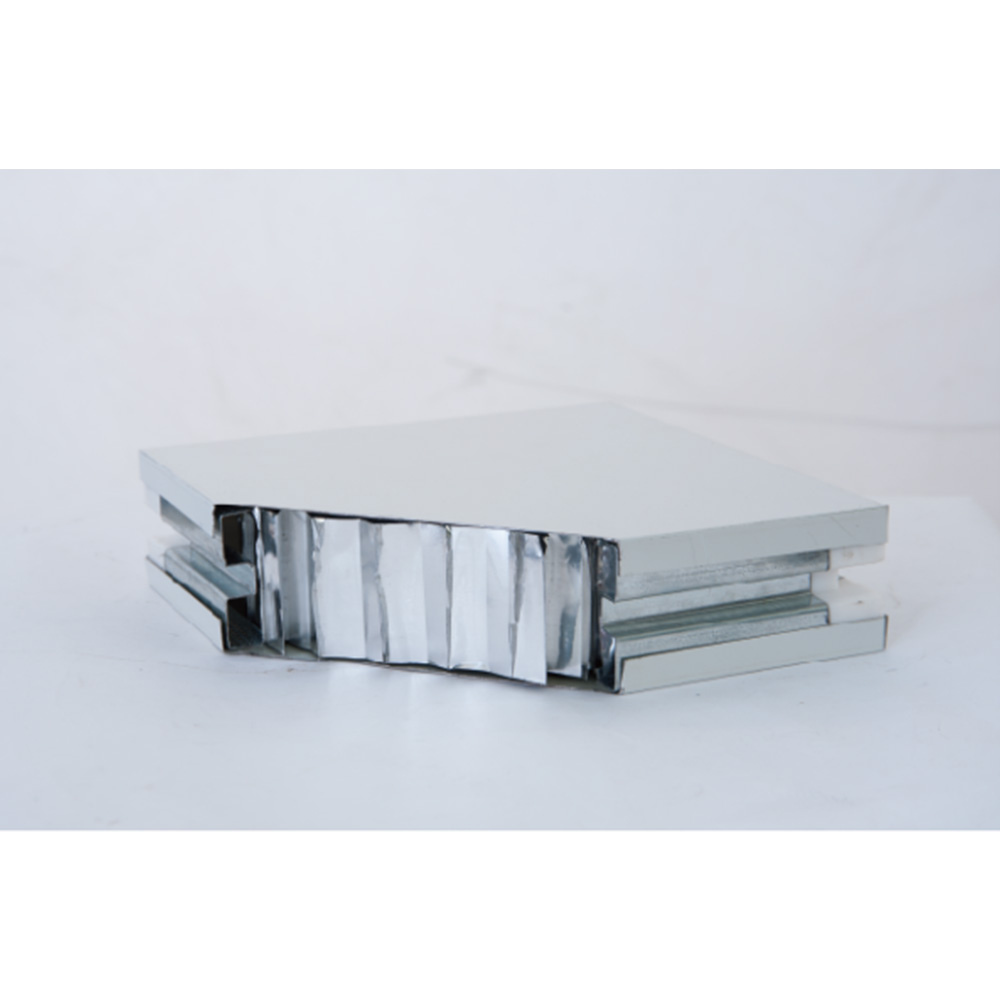
The Aluminum Honeycomb Panel is the industry-standard structural solution for controlled environments. Its hexagonal geometry and metallic properties directly address the competing demands of modularity, regulatory compliance, energy efficiency, and physical durability. We will look at where these panels integrate into cleanroom architecture, how they outperform traditional alternatives, and what technical specifications matter most during procurement.
Primary Applications: Aluminum honeycomb panels are predominantly utilized for walkable ceilings, modular wall partitions, raised flooring, and material lifts in ISO-classified environments.
Structural Advantage: The hexagonal core structure delivers an exceptionally high strength-to-weight ratio, minimizing structural load on existing facilities while supporting heavy HVAC and filtration equipment.
Compliance & Safety: Non-combustible, non-shedding, and highly resistant to chemical sterilization, these panels simplify adherence to strict cGMP and ISO standards.
Implementation Trade-offs: While offering superior performance and thermal efficiency, they require precise upfront engineering, as on-site modifications (cutting/drilling) can compromise the panel's structural integrity and cleanability.
Facility engineers must identify specific structural zones within a cleanroom that require rigid, flush, and non-contaminating surfaces. Controlled environments fail when materials flex, shed particles, or harbor biological growth. Architects deploy honeycomb core systems across several infrastructure points to maintain the sterile envelope and ensure long-term operational stability.
Walkable ceilings represent a highly demanding structural application in cleanroom design. Maintenance personnel need safe access to service Fan Filter Units (FFUs), HEPA filters, ductwork, and electrical systems. They must do this without breaching the sterile envelope below. Honeycomb panels provide a rigid walking surface that resists deflection under human weight and heavy equipment loads.
Engineers calculate strict deflection limits for ceiling grids. We typically ensure the surface does not bow more than 1/240th of the span under a 300-pound point load. The inherent stiffness of the honeycomb core distributes these point loads across a wider surface area. This prevents the ceiling from sagging over time. Sagging compromises the airtight seals around filtration units and lighting fixtures, leading to immediate pressure loss and contamination. Standard gypsum or thin metal ceilings often fail under the weight of a single technician carrying a replacement motor. The honeycomb structure prevents this by acting like a continuous series of micro-trusses.
Creating flush, seamless wall systems is a baseline requirement for cleanroom compliance. Any ledge, gap, or seam acts as a collection point for dust and bacteria. The cleanroom aluminum honeycomb panel forms the backbone of these modular wall partitions. The panels interlock precisely. Installers create perfectly smooth surfaces that withstand aggressive wiping and chemical spraying.
These wall systems act as load-bearing enclosures that integrate complex utility networks. Manufacturers pre-engineer the panels to accommodate internal utility raceways, flush-mounted return air grilles, and seamless glazing for observation windows. By housing the wiring and gas lines internally, the exterior surface remains completely flush. We use cold-welded seams or cleanroom-grade silicone to seal the joints. This creates a monolithic surface that passes the most rigorous FDA swab tests.
In specialized environments like semiconductor lithography facilities or pharmaceutical manufacturing plants, flooring must manage heavy equipment weights while dampening vibrations. Raised access flooring built with honeycomb cores offers a specific solution. The panels distribute the immense weight of photolithography machines or stainless steel bioreactors evenly across the subfloor pedestal system.
Vibration dampening is a major factor here. Micro-vibrations from nearby foot traffic or mechanical systems ruin nanoscale manufacturing processes. The cellular structure of the honeycomb core absorbs and dissipates these kinetic forces far better than solid steel or concrete alternatives. We often specify these panels in ISO 4 environments where yield protection relies entirely on structural stability.
Transferring raw materials and finished products between different ISO zones requires robust infrastructure. Cleanroom elevator interiors, transfer corridors, and cart-staging areas experience heavy, continuous traffic. Carts bump into walls. Heavy pallets scrape against elevator doors.
Honeycomb panels provide high impact resistance in these abuse-prone zones. The core absorbs the kinetic energy of a collision. This prevents the metal facing from denting or puncturing. A punctured wall in a cleanroom instantly compromises the pressure cascade and introduces airborne contaminants. Using high-impact panels in these corridors ensures the facility maintains its certification despite rigorous daily operations.
Transition zones act as the gatekeepers of the cleanroom. Personnel and materials must pass through air showers and pass-through chambers to shed loose particulates before entering the main production floor. These enclosures endure constant use, rapid pressure changes, and frequent sterilization.
Fabricating these transition zones with honeycomb panels ensures structural rigidity. Air shower nozzles operate at high velocities. They create internal pressure that causes weaker materials to flex or rattle. Custom equipment housings built from these panels protect sensitive internal machinery from the harsh chemical cleaning agents used in the surrounding room.
Procurement teams weigh aluminum honeycomb against alternative cleanroom panel cores like Expanded Polystyrene (EPS), Polyurethane (PU), and Rock Wool. Each material offers specific traits. High-specification environments demand a distinct combination of structural integrity, fire safety, and contamination control.
Core Material | Structural Rigidity | Weight Profile | Fire Retardancy | Outgassing Risk | Moisture Resistance |
|---|---|---|---|---|---|
Aluminum Honeycomb | Exceptional | Ultra-Lightweight | Non-Combustible (Class A) | Zero | High |
Rock Wool | Moderate | Heavy | Excellent (High Fire Rating) | Low to Moderate | Low (Absorbs water) |
Polyurethane (PU) | Good | Lightweight | Combustible (Produces toxic smoke) | Moderate | High |
EPS / Polystyrene | Low | Ultra-Lightweight | Highly Combustible | High | Moderate |
The engineering rationale behind the honeycomb geometry is straightforward. The hexagonal cells mimic a continuous series of I-beams. When bonded between two rigid metal facings, this structure resists shear and bending forces remarkably well. This geometry allows the panel to support massive loads without bending.
Utilizing a lightweight sandwich panel provides significant logistical and installation benefits. Solid aluminum or heavy steel alternatives require specialized lifting equipment, reinforced building foundations, and larger installation crews. The lightweight nature of the honeycomb core reduces the dead load on the facility's superstructure. This accelerates the construction schedule and lowers labor costs. I have managed installations where switching to a lightweight core cut our rigging time in half.
The core's energy absorption characteristics provide superior impact resistance. When a heavy cart strikes the wall, the hexagonal cells crumple slightly at a microscopic level. They absorb the shock rather than transferring it through the entire wall system. This prevents the surface from denting and keeps the cleanroom envelope perfectly intact.
Fire safety dictates material selection in modern manufacturing. Aluminum cores are entirely non-combustible. In the event of a facility fire, they do not contribute to the fuel load. They do not emit toxic smoke. This stands in stark contrast to EPS or PU cores. Foam cores melt, burn rapidly, and release hazardous gases that endanger personnel and ruin expensive equipment.
Thermal stability is another major factor. Cleanrooms operate under strict temperature and humidity controls. Aluminum honeycomb maintains its dimensional stability under temperature fluctuations. It has a predictable thermal expansion coefficient. The panels will not warp, buckle, or break their silicone seals when the HVAC system cycles.
These panels play a vital role in energy-efficient cleanroom designs. The trapped air within the hexagonal cells acts as a thermal break. This insulation helps stabilize internal temperatures. It reduces the continuous load on energy-intensive HVAC and chiller systems. Lowering the HVAC burden directly decreases the facility's daily operational energy consumption.
Contamination control extends beyond wiping down surfaces. The materials themselves must not introduce pollutants into the environment. Aluminum is inherently non-shedding. It does not release fibers or particulates into the air over time. Rock wool, on the other hand, sheds microscopic mineral fibers if the panel seal is compromised.
An aluminum honeycomb panel presents zero outgassing risks. Foam-based core materials often contain volatile organic compounds (VOCs) left over from the manufacturing process. Over time, these foams degrade and release chemical vapors into the cleanroom. In semiconductor or pharmaceutical environments, VOCs deposit onto silicon wafers or contaminate drug batches. Specifying an aluminum core eliminates this chemical contamination vector entirely.
Procurement teams must verify exact specifications before selecting a panel system. Evaluating materials based on features-to-outcomes ensures the final build meets regulatory scrutiny and operational demands.
Different cleanroom classes require different performance metrics. For ISO 4 through ISO 6 environments, the panel joints and sealing mechanisms are the main focus. The air leak rate must remain near zero to maintain the necessary pressure cascades. Panels designed for these strict classes feature precision-milled edges that accept cold-welded seams or specialized cleanroom-grade silicone.
For Current Good Manufacturing Practice (cGMP) pharmaceutical facilities, the focus shifts to biological control. The panels must not harbor microbial growth. Smooth, non-porous surfaces with flush coving at the floor and ceiling intersections are mandatory to pass FDA or EMA inspections. We look for panels that integrate seamlessly with flush radius coves to eliminate 90-degree corners where bacteria hide.
The core provides the strength, but the facing material dictates the chemical resistance. Engineers evaluate facing materials based on the facility's specific cleaning protocols.
UPVC Coatings: Provide excellent resistance to general cleaning agents and offer a slightly flexible surface that resists scratching.
Anti-Static Coatings: Essential for electronics manufacturing, these coatings prevent the buildup of electrostatic discharge (ESD) that fries microchips.
Epoxy Powder Coating: Offers a hard, durable finish that withstands frequent scrubbing and moderate chemical exposure.
Stainless Steel (304 or 316L): The standard for pharmaceutical environments. It easily withstands aggressive Vaporized Hydrogen Peroxide (VHP) sterilization and harsh sporicides without pitting or rusting.
Cleanrooms are noisy environments due to the massive volume of air moving through the HEPA filters and HVAC ductwork. The acoustic properties of the honeycomb core help mitigate this issue. The cellular structure breaks up sound waves. This reduces ambient noise and creates a safer, more comfortable working environment for operators.
Beyond audible noise, the core geometry mitigates micro-vibrations. In nanotechnology and metrology labs, even the vibration from a heavy truck passing outside the building disrupts an electron microscope. The energy absorption capabilities of the honeycomb cells isolate the cleanroom floor and walls from these external kinetic forces.
Building a high-specification cleanroom involves practical challenges. Understanding the implementation risks and how to mitigate them establishes a foundation for a successful, leak-free facility.
The integrity of the cleanroom relies entirely on the joints between the panels. Installing flush coving and executing perfect seals requires highly skilled labor. If a silicone bead is uneven or a cold weld fails, bacteria will find a harborage point. Installers must maintain absolute precision when joining wall panels to walkable ceilings and raised floors. Any misalignment during installation creates ledges that trap dust and complicate the daily wipe-down procedures.
To execute a proper panel joint seal, installation teams follow a strict sequence:
Align the panels using laser levels to ensure a perfectly plumb surface with zero offset.
Insert the concealed aluminum spline into the milled edges to lock the panels together structurally.
Apply a continuous bead of cleanroom-grade, non-outgassing silicone sealant along the seam.
Tool the sealant immediately to create a flush, concave profile that leaves no ridges for particulate accumulation.
One of the primary risks associated with honeycomb panels is the difficulty of on-site modification. Facility managers must understand the severe risks of cutting or drilling into these panels after they leave the factory. Slicing through the metal facing exposes the raw aluminum core. This action instantly generates metal shavings and particulate matter, contaminating the space.
Unsealed cutouts compromise the structural rigidity of the panel and create a pathway for moisture and bacteria to enter the core. To mitigate this risk, project managers utilize Building Information Modeling (BIM) during the design phase. BIM allows engineers to map every electrical outlet, gas line, and HEPA filter cutout with millimeter precision. The manufacturer then pre-fabricates the panels with these cutouts already sealed and reinforced. This ensures zero on-site cutting is required.
Upfront capital expenditure for aluminum honeycomb panels is noticeably higher than for basic EPS or PU foam cores. The complex manufacturing process of expanding the aluminum foil and bonding it under heat and pressure drives up the initial material cost.
Facility owners frame this expenditure against the long-term return on investment. The longevity of the aluminum core means the walls will not degrade, warp, or require replacement for decades. The energy efficiency gained from the thermal break reduces monthly utility bills. The non-combustible nature of the panels often results in significantly lower facility insurance premiums. This offsets the initial purchase price over the life of the cleanroom.
The aluminum honeycomb panel remains the premier structural choice for high-specification controlled environments. It successfully balances the extreme demands of load-bearing capacity and energy absorption with the strict requirements of contamination control, fire safety, and chemical resistance. By eliminating outgassing and providing a rigid, flush surface, these panels protect both the manufacturing process and the personnel inside the sterile envelope.
When planning a facility, apply a clear shortlisting logic. Choose aluminum honeycomb for walkable ceilings, high-vibration areas, and high-traffic corridors where structural integrity is the top priority. Consider alternative cores like heavy rock wool only if extreme, multi-hour fire-rating mandates strictly supersede all weight and installation concerns.
To move forward with your cleanroom design, take the following actions:
Download the technical specification sheets for the panel coatings to verify compatibility with your facility's specific sterilization chemicals.
Request a physical material sample to evaluate the rigidity, weight, and finish quality firsthand.
Schedule a design consultation with a cleanroom structural engineer to map out utility integrations and finalize your BIM requirements before manufacturing begins.
A: No, on-site modification is strongly discouraged. Cutting or drilling exposes the internal core, generates metal particulates, and introduces severe contamination risks. It compromises the panel's structural rigidity and creates unsealed edges where bacteria harbor. All utility cutouts and sizing adjustments must be pre-engineered using BIM and executed at the factory before delivery.
A: Standard walkable panels are engineered to support uniform distributed loads of 30 to 50 pounds per square foot (psf) and point loads of 250 to 300 pounds. This ensures maintenance personnel can safely walk across the ceiling grid to service HVAC and filtration equipment without causing deflection or damaging the panel seals.
A: Both materials offer excellent fire safety but function differently. Aluminum honeycomb is entirely non-combustible (Class A) and will not burn or release toxic smoke. High-density rock wool provides specific fire-rating hours (e.g., 1-hour or 2-hour firewalls) to delay fire spread, but it is significantly heavier and harder to install than aluminum.
A: The core itself is protected, so VHP resistance depends entirely on the exterior facing material. For environments utilizing aggressive VHP sterilization, you must specify panels with stainless steel (304 or 316L) or specialized high-grade epoxy coatings. Standard UPVC or basic painted surfaces degrade, blister, or discolor over time when repeatedly exposed to VHP.
A: Utilities are integrated using factory-installed internal conduits and raceways. During the design phase, engineers map out all electrical, gas, and data line requirements. The manufacturer embeds reinforced conduits inside the honeycomb core before sealing the panel. This allows utilities to run invisibly through the walls, maintaining a perfectly flush, easy-to-clean exterior surface.